

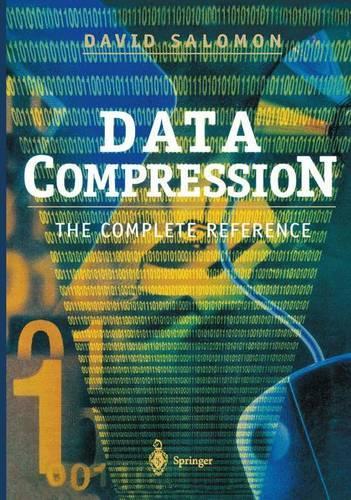
Data Compression
Synopsis
From archiving to CD-ROMS, and from coding theory to image analysis, many facets of computing make use of data compression in one form or another. This is an overview of the many different types of compression, including a taxonomy, an analysis of the most common systems of compression, discussion of their relative benefits and disadvantages, and their most common uses. It is divided into four main parts based on the main branches of data compression: run length encoding; statistical methods; dictionary-based methods; and lossy image compression. All of the most well-known compression techniques are covered, including Zip, BinHex, Huffman coding and GIF. Readers are presupposed to have a basic understanding of computer science - essentially the storage of data in bytes and bits and computing terminology.
Publisher information
- Publisher: Springer-Verlag New York Inc.
- ISBN: 9780387982809
- Number of pages: 440
- Languages: English
Customer Reviews
You may also like...