

Abdulrazak Gurnah Q&A
Theft is marvelous - a book of incredible scope and unflinching intimacy that leaps fearlessly among its varied cast of characters, written with absolutely devastating emotional precision. Abdulrazak Gurnah has written another classic - V V Ganeshananthan, author of Brotherless Night
Nobody writes about the world we call postcolonial like Abdulrazak Gurnah. His novels are uncompromising, but also stubbornly humane. They come at their subjects with open eyes, and we need what they see - Juan Gabriel Vásquez, author of Retrospective
In his first new novel since winning the 2021 Nobel Prize, Abdulrazak Gurnah captures a time of dizzying global change and three young lives coming-of-age in the midst of it. Here he answers questions on Theft, it's writing, setting and the unforgettable characters that populate it.
Abdulrazak Gurnah Q&A
- Theft is in many ways a classic coming-of-age novel. What is it about the bildungsroman that keeps it so endlessly fresh and exciting as a form?
Because as a form it is variable and malleable, yet its parts are familiar and gratifying. It is not going to be just a narrative about growing to adulthood but about learning and arriving at some kind of wisdom.
- You evoke Mistress’s house and Badar’s love for it with such exquisite attention. To what degree to you think Theft is a book about home?
It is not about home in a general sense of belonging. For a homeless boy, the Mistress’s house is a gracious, peaceful place even though he is only a servant in it, and of course he is aware of the undercurrents below the surface.
- Theft features the most wonderful evocation of a hotel in the form of the Hotel Tamarind. What do you think it is about hotels that makes them so interesting as spaces to set drama?
It’s the first time I have written about a hotel as a location, and my interest in doing so is because tourism is one of the issues the novel addresses. I was drawn to that particular kind of hotel because of the history of dispossession that lies behind it. There are many such small hotels in Zanzibar.
- Your novel brilliantly captures the oddities of Western tourism in contemporary Africa. What did you want to capture in this dynamic?
Tourism has its benefits and its woes. It brings work and many civic improvements. You don’t want the tourist to be assailed by filth and the usual intolerances of the state. So citizens also benefit from the appearance of hospitality extended to the tourist. But in the unequal relations produced by wealth, tourism also creates instability and difficult temptations. I think countries hosting tourists have to be alert to that, which I don’t think they always are.

- Badar is such a loveable character, but because of his circumstances he lacks agency for so much of the book. What did you want to capture about how this shapes him as a person? Do you think he has gained more agency by the end of the book?
He does not lack agency. We know that because we have access to his thinking and his observations. What he lacks is power to act, and this he gains by patience and an uncomplicated integrity.
- You use the internet in such wonderful and surprising ways in the final third of the book. What was it about the possibilities of the internet within the story that appealed to you?
The internet made a big difference to the business of tourism, so its relevance here is to do with that, but it also brought many possibilities to people who were curious to know about the world but did not have access to libraries and archives. For someone like Badar the radio and the internet are the sources of his self-education.
- We see very little of the Zanzibar revolution in the book and yet we feel its presence so keenly. How do you as a writer manage writing these lacunae and absences?
I suppose by being economical with details. I have written quite a lot about that episode.

- Books play such an important role in the book: from Karim reading The Death of Ivan Ilyich to Fauzia reading Shahnameh and I, Rigoberta Menchú. What were the books that left the biggest impression on you as a young reader?
Shahnameh was one of those, but I read whatever came my way. It was not always possible to choose. So I ended up reading some improbable books, Tolstoy, A Thousand and One Nights, Raymond Chandler, Hemingway, comics. I loved the illustrated classics comics, what we would call graphic books now. I read Macbeth like that, and when I came to study it later, I could only picture it through those images from childhood.
- Is there a book you read as a young man that changed for you when you reread it later in life?
Much of the 19th century English novel was like that for me, Charles Dickens in particular. When I came to read him as an adult and a student, it was a revelation and a pleasure.
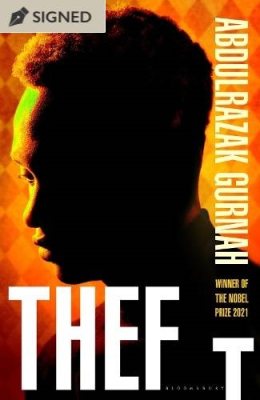 TheftAbdulrazak GurnahPrice: £18.99From the Nobel Prize-winning author of Afterlives comes an intricately crafted coming-of-age tale as three young people ... See moreFrom the Nobel Prize-winning author of Afterlives comes an intricately crafted coming-of-age tale as three young people growing up in Zanzibar face the injustice, prejudice and lure of betra... See more
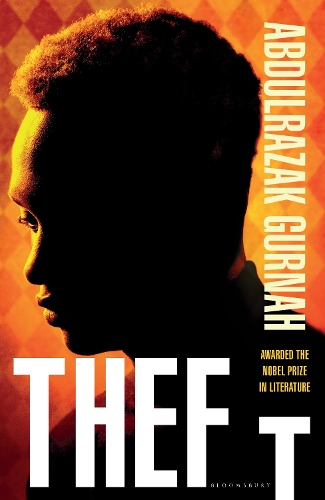 TheftAbdulrazak GurnahPrice: £18.99From the Nobel Prize-winning author of Afterlives comes an intricately crafted coming-of-age tale as three young people ... See moreFrom the Nobel Prize-winning author of Afterlives comes an intricately crafted coming-of-age tale as three young people growing up in Zanzibar face the injustice, prejudice and lure of betra... See more
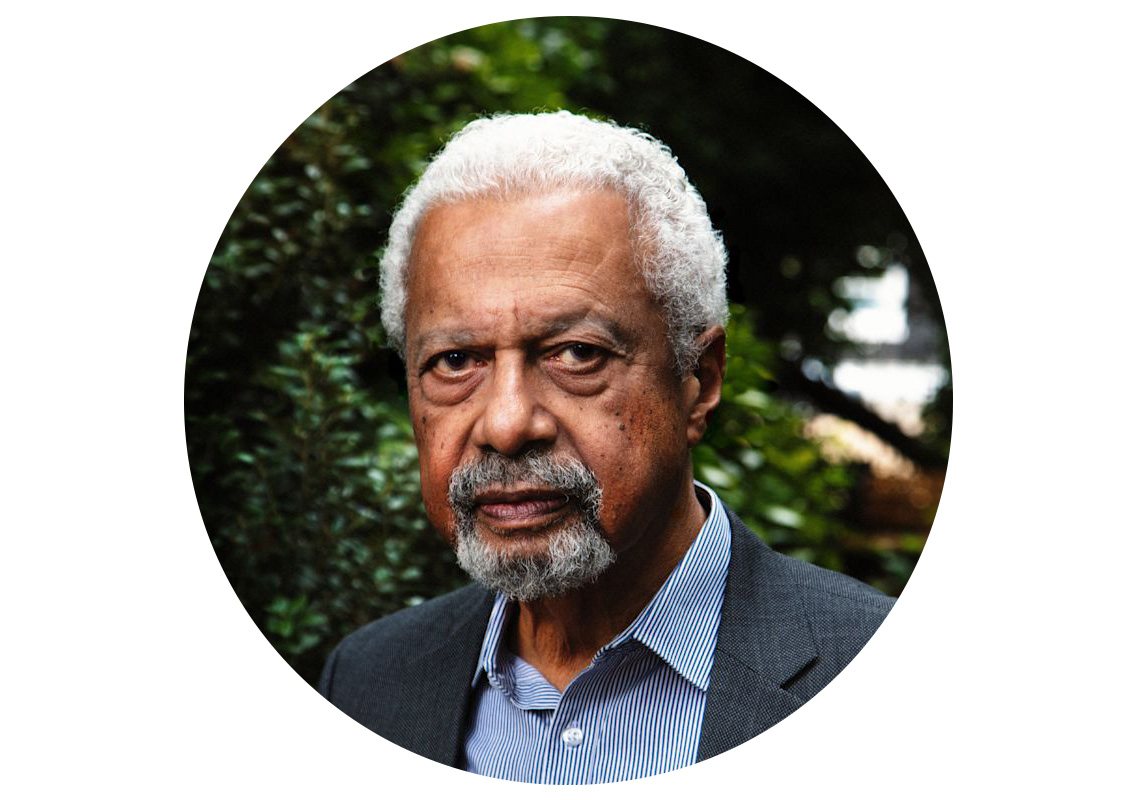
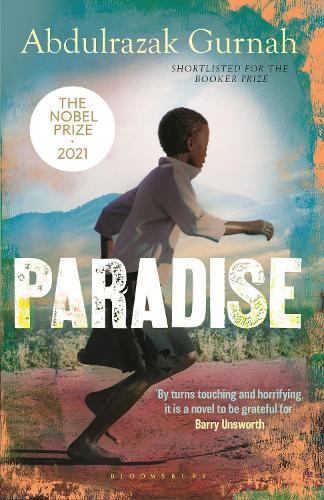
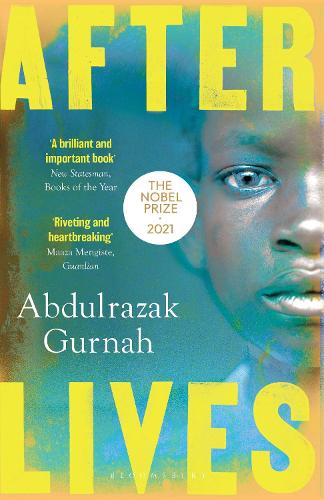
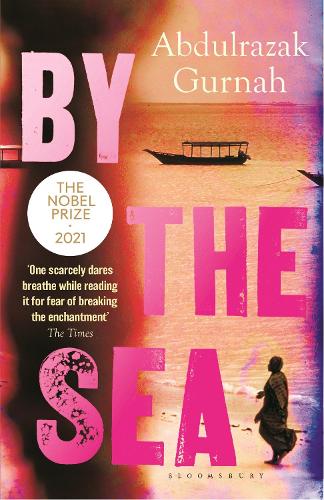
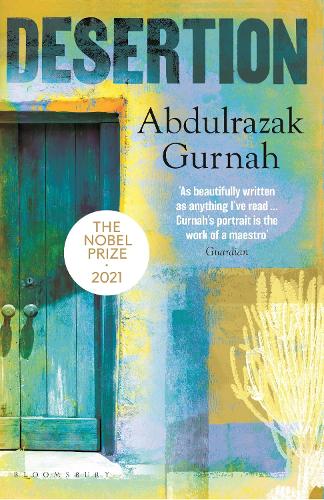
Abdulrazak Gurnah is the winner of the Nobel Prize in Literature 2021. He is the author of ten novels: Memory of Departure, Pilgrims Way, Dottie, Paradise (shortlisted for the Booker Prize and the Whitbread Award), Admiring Silence, By the Sea (longlisted for the Booker Prize and shortlisted for the Los Angeles Times Book Award), Desertion (shortlisted for the Commonwealth Writers' Prize) The Last Gift, Gravel Heart, and Afterlives, which was shortlisted for the Orwell Prize for Fiction 2021 and longlisted for the Walter Scott Prize. He was Professor of English at the University of Kent, and was a Man Booker Prize judge in 2016. He lives in Canterbury.
More from Abdulrazak Gurnah
See All