



This Christmas, our Booksellers have been busy curating gifting guides to suit all. Whether you're buying for that cousin who lives to travel, a Cricket obsessed uncle; looking for the perfect gift for little ones, big ones or difficult ones, we've got you covered.
Presenting our Gift Guide for History Buffs:
Legenda
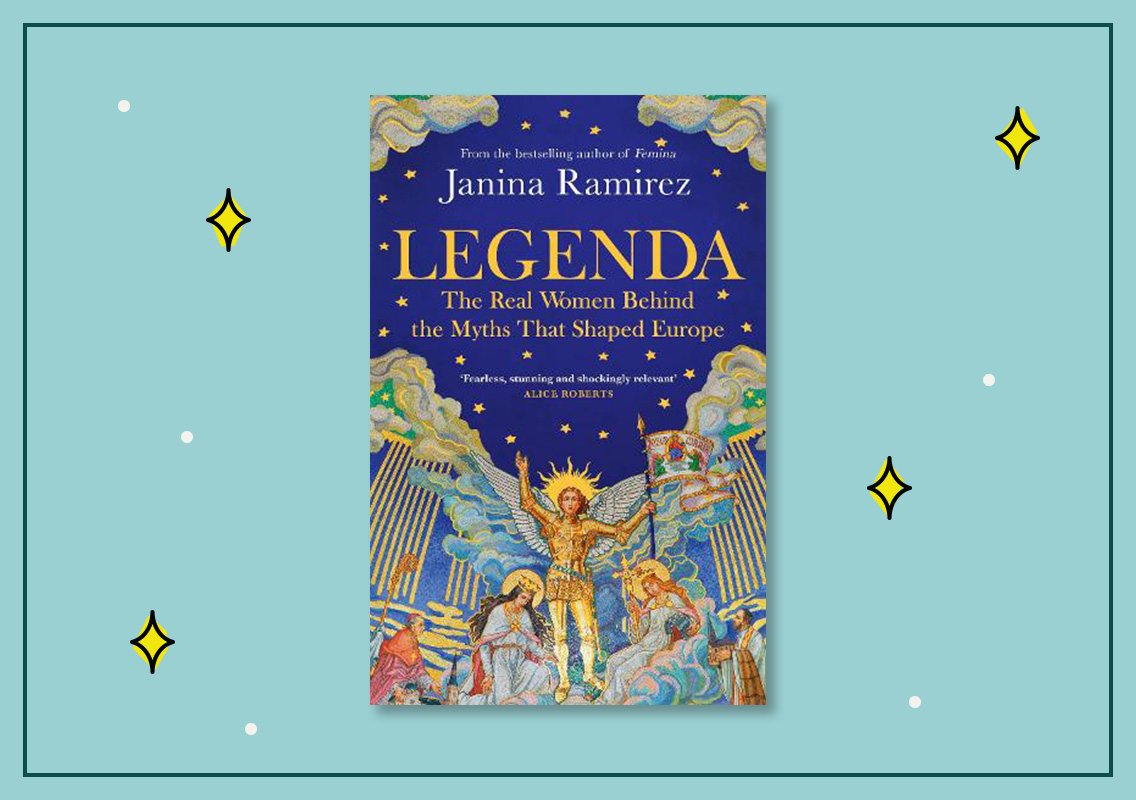
Legenda
Janina Ramirez
In Legenda, bestselling historian Professor Janina Ramirez peels back the layers of time to reveal how the identities of women have been co-opted by those intent on crafting national identities. Their names are well-known, and summaries of their achievements have been recited in classrooms for decades, but medieval women like Joan of Arc, Lady Godiva and Isabella of Castile have been misrepresented, their stories twisted and weaponised. Meanwhile, ground-breaking 18th and 19th-century women who blazed a trail through revolutionary Europe have been forgotten, their legacies too easily dismissed or ignored. Questioning established narratives and searching for the real women behind the legends, Ramirez interrogates what defines a nation and who gets to build it, shining a light on how history is so often hijacked to serve the ideological and political interests of the present.
Revolting
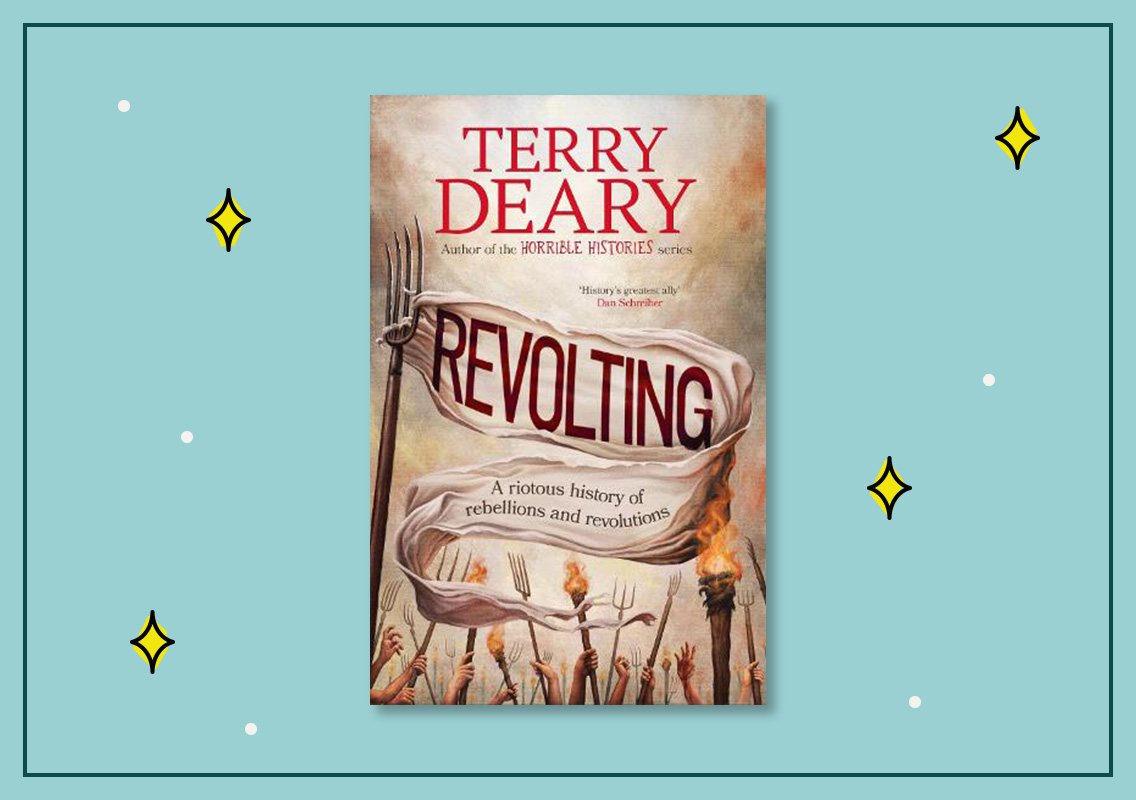
Revolting
Terry Deary
It is a truth universally acknowledged that the rich and powerful always look after their own and the working people are always revolting. But every now and again, a new group actually manages to seize power, and it changes history. Horrible Histories author Terry Deary takes readers on a hilarious and eye-opening journey through some of the most significant revolts and uprisings that have happened around the world. From the peasants to the slaves, the suffragettes to the civil rights activists, Revolting celebrates the resilience and determination of those who dared to challenge the status quo.
The 1990s
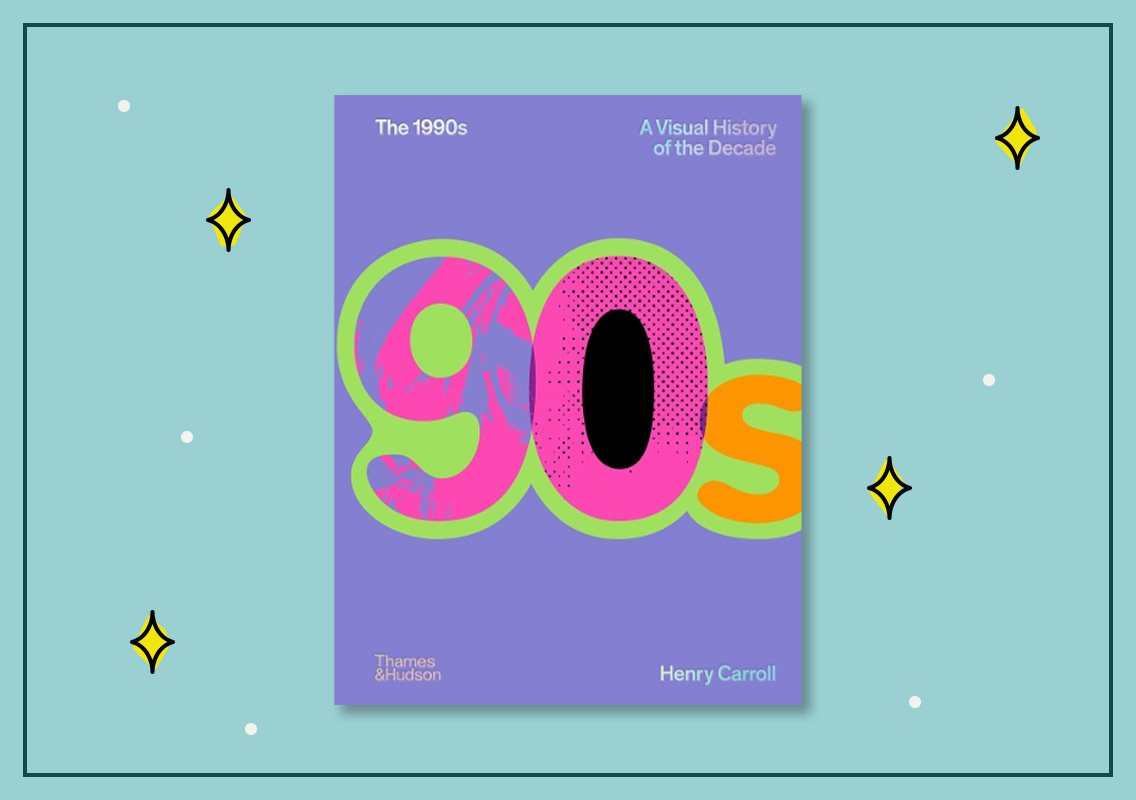
The 1990s
Henry Carroll
As the Cold War ended and a new millennium approached, grunge, hip-hop and rave exploded in popularity as teenagers and twenty-somethings searched for something real, something more meaningful. Ostentation was out. Authenticity was in. The 1990s had arrived. And so we had the first flashes of reality TV, the O.J. Simpson trial, the rise of surveillance culture and the internet. We had early wake-up calls to the world of social media as The Truman Show and The Blair Witch Project exploited the emerging visual language of DIY video content. We heard the rallying call of ‘Girl Power!’ from riot grrrls and the Spice Girls. We argued over East Coast versus West Coast rap and Biggie versus Tupac. Ice-T went from ‘Cop Killer’ to TV detective and Will Smith went from the Fresh Prince to a man in black. Cults, crop circles and conspiracy theories spread, and The X-Files and The Matrix pulled back the curtain on fictional hidden truths. It was the end of history and it was print’s last hurrah – or so we thought. A fascinating ecosystem of influence between high and low culture, this stimulating volume makes sense of the decade’s recurring motifs, trends and themes, from supermodels to airport style and from the fall of the Soviet Union to the end of the world.
Willie, Willie, Harry, Stee
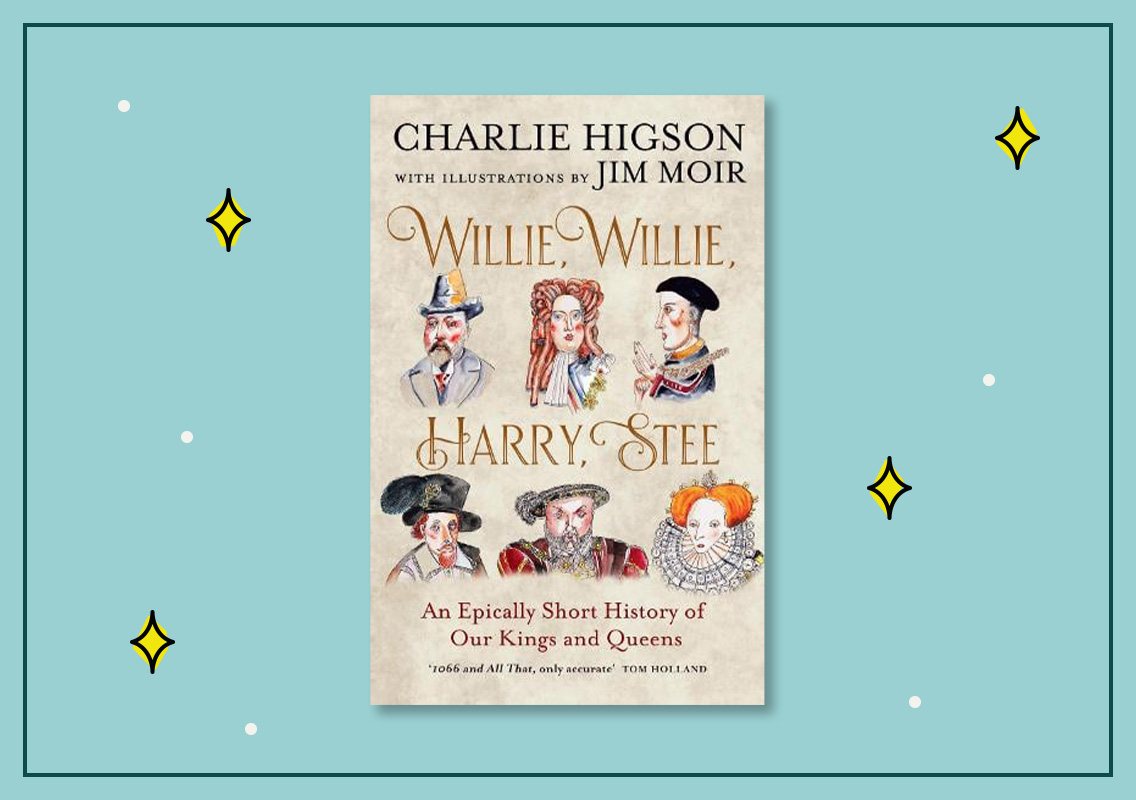
Willie, Willie, Harry, Stee
Charlie Higson (author), Jim Moir (illustrator)
Willie, Willie, Harry, Stee, Harry, Dick, John, Harry three. One, two, three Neds, Richard Two, Henries, four, five, six, then who? Charlie Higson has always been interested in the story of the fabled English monarchy: from the bastardly to the benevolent, brilliant to the brutal. In this wonderful new book, with the famous rhyme he learned at school as his trusty guide, Charlie takes the plunge into the storied history of this most treasured of institutions – introducing readers to every single ruler since poor Harold was shot in the eye at the Battle of Hastings. Bloody treachery? Check. Unruly incest? Check. Short parliaments? Check. A couple of Cromwells? Check. A rip-roaring journey that takes in the Normans, Stuarts and Tudors, not to mention the infamous Blois (how can we forget them?), Willie, Willie, Harry, Stee is an utterly engrossing and grossly entertaining primer on who ruled when and why.
Crucible of Light
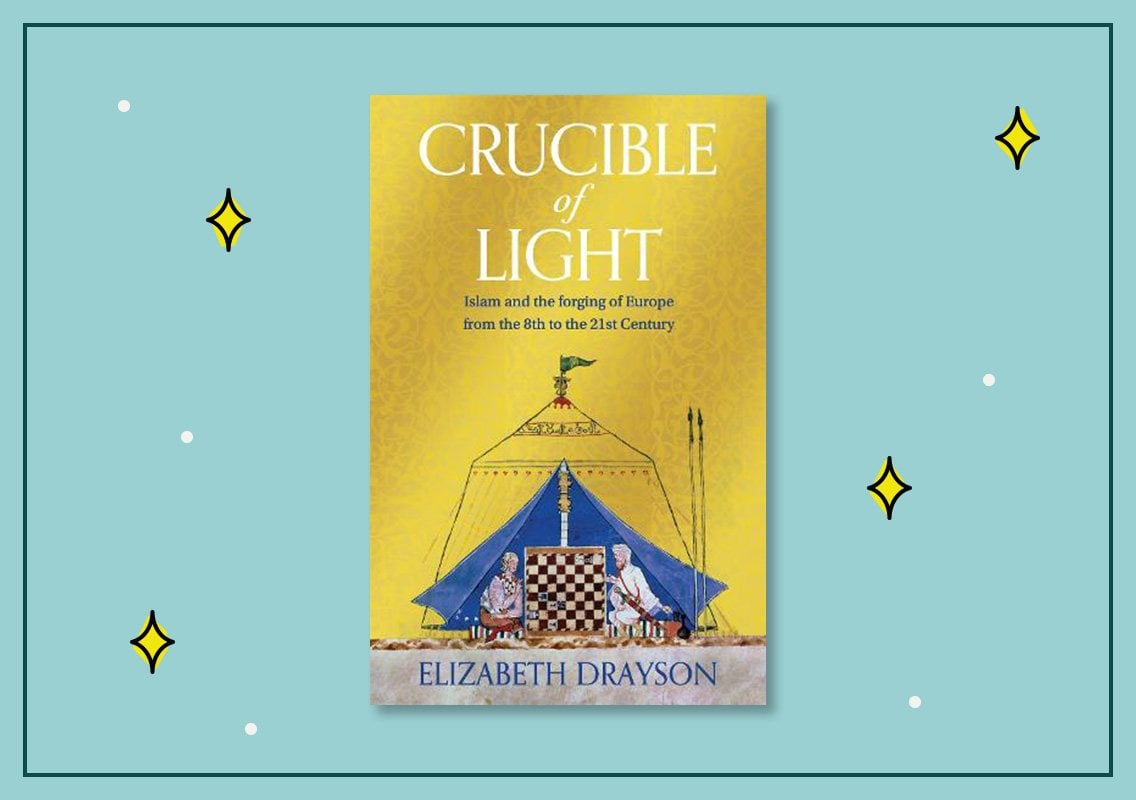
Crucible of Light
Elizabeth Drayson
Focusing on major turning points, individual stories and key places, from Mecca to Cordoba, from Damascus to Venice, and from Vienna to Istanbul, Drayson tracks the themes that unite us – classical learning preserved in Islamic libraries, the enduring influence of Moorish architecture and design, the food we share, the goods we have traded and the continuing dialogue between individuals and cultures that has permeated Europe’s history and shaped its borders. It is a history that sweeps across cities and continents, from Spanish patios and palaces to Ottoman-inspired coffee houses in 17th century London, to the Mezquita in Cordoba, once a mosque, now a cathedral, the physical embodiment of the ongoing discourse that continues to shape European identity.
History's Greatest Drinking Games
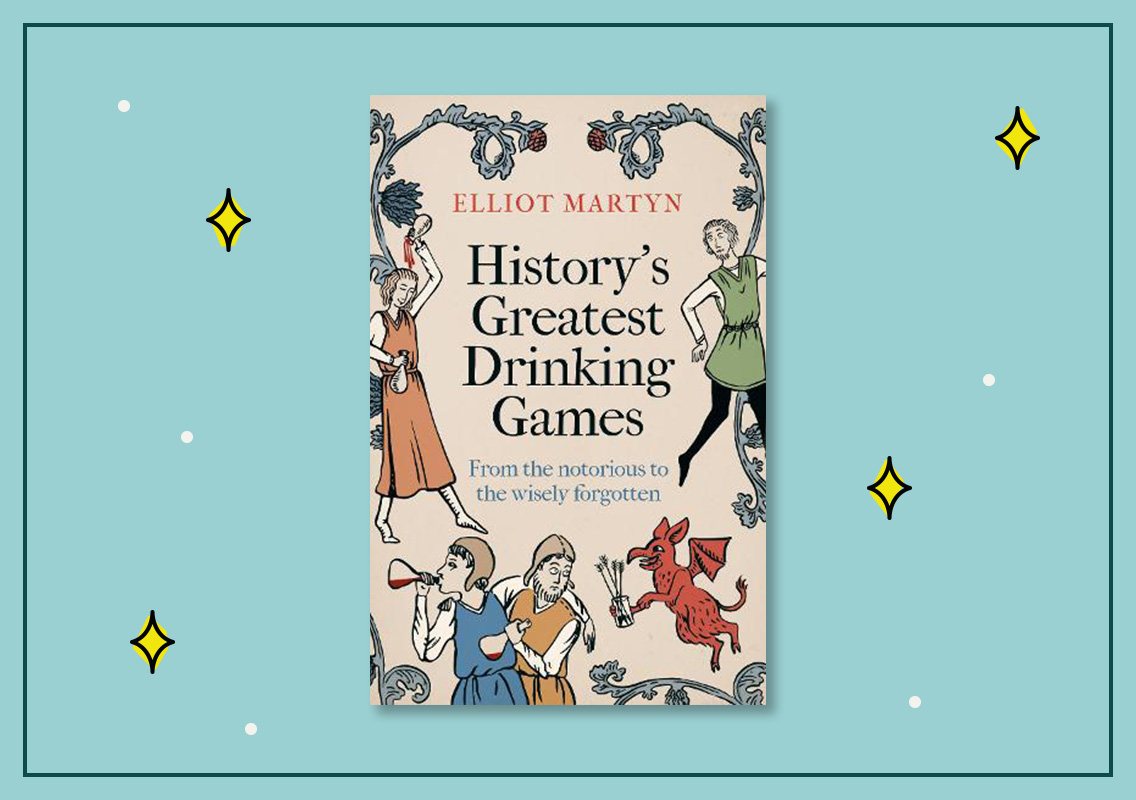
History's Greatest Drinking Games
Elliot Martyn
As long as there have been people, there has been drinking - and as long as there has been drinking, there has been drinking stupidly. Across centuries and continents this universal pastime has spawned an astonishing array of drinking games - some elaborate and considered, others down-right absurd - designed to entertain, punish, impress and inebriate. In History's Greatest Drinking Games, Elliot Martyn takes us on a captivating guided tour of some of our forebearers' silliest drinking rituals, revealing how they began and even how to recreate them (if you dare). From the Ancient Greeks flinging wine across the room in competitive abandon to medieval Scandinavians engaging in insult battles, this book is packed full of fascinating trivia and hilarious historical anecdotes. After all, it's reassuring to know that we've always been idiots - and to learn some new mistakes from the fools who've come before us.
Between the Waves
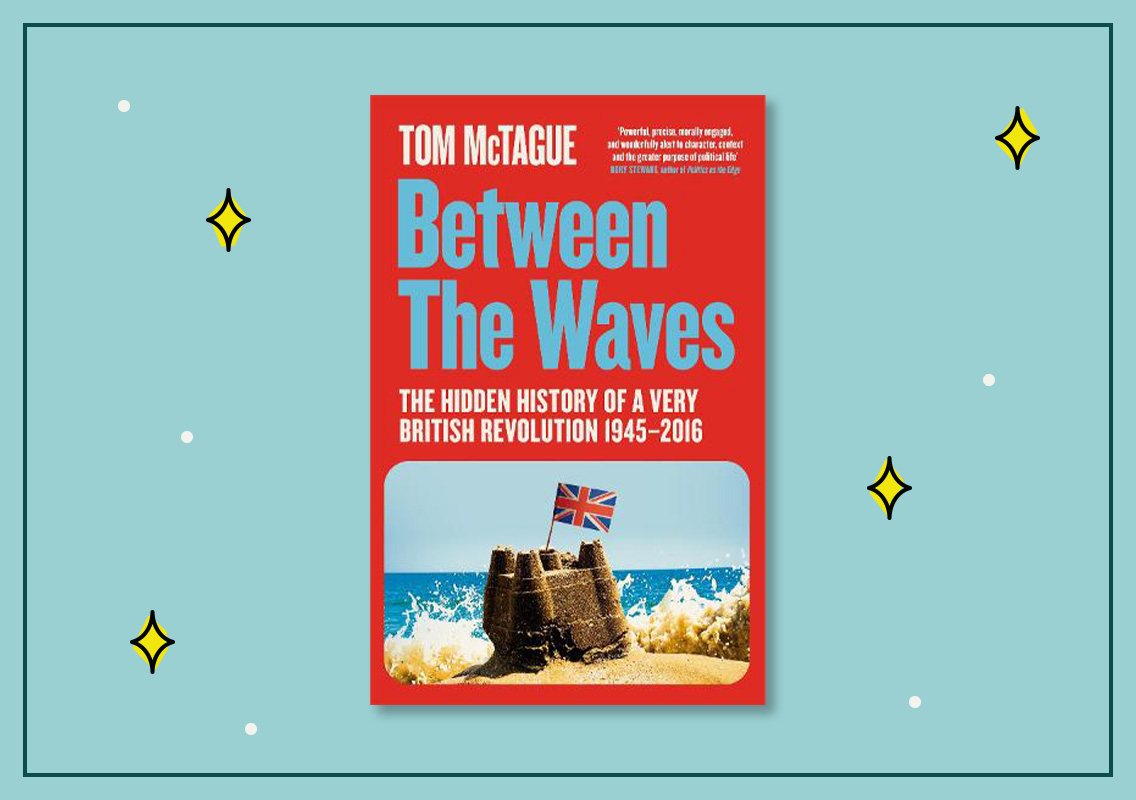
Between the Waves
Tom McTague
Drawing on unpublished sources and exclusive interviews, McTague unearths the roots of ideological conflict that raged between the leading politicians of the twentieth century as they fought for the future of Europe – Charles de Gaulle, Harold Macmillan, Jean Monnet, Enoch Powell and Margaret Thatcher. Alongside these famous figures are the lesser-known actors in Britain’s great post-war drama: a coterie of Eurosceptic student radicals, Cold Warriors, eccentric billionaires and political strategists who turned the tide of history. A riveting story of the clashing ideals that have pulled at Britain’s public imagination for more than seven decades, Between the Waves raises that most elemental of questions: who are we?
On Pedantry
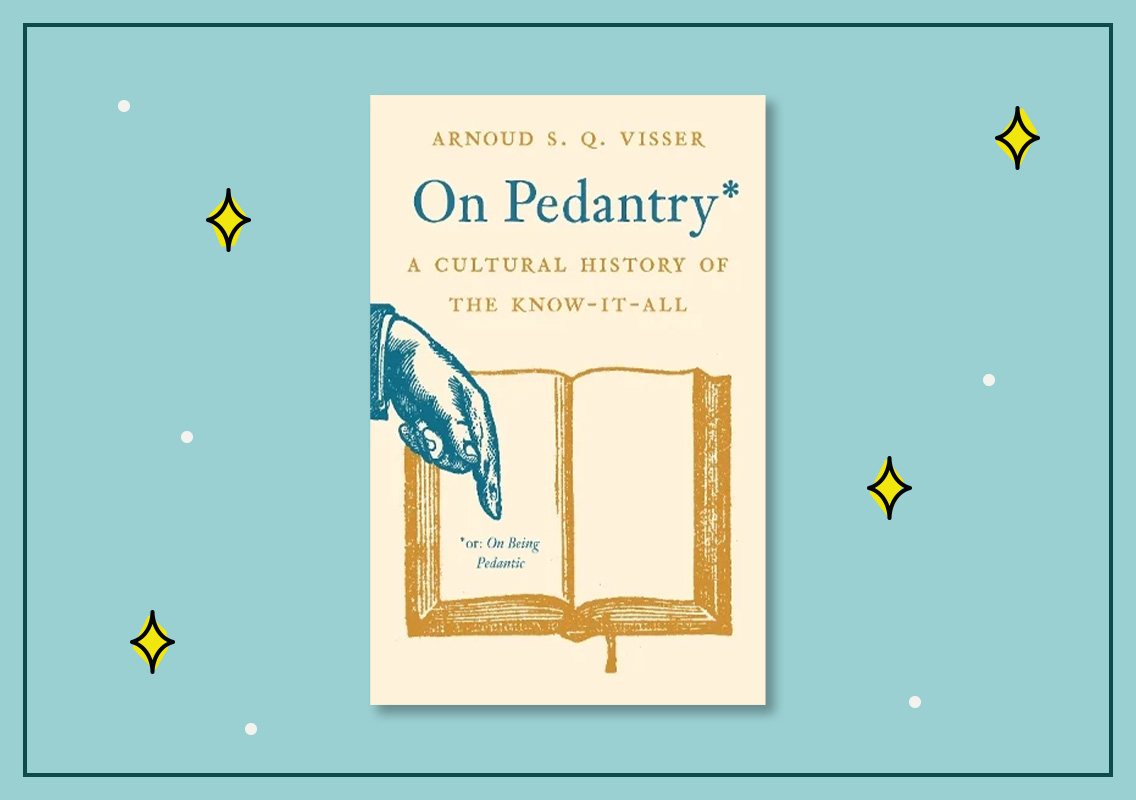
On Pedantry
Arnoud S. Q. Visser
Intellectuals have long provoked scorn and irritation, even downright aggression. Many learned individuals have cast such hostility as a badge of honor, a sign of envy, or a form of resistance to inconvenient truths. On Pedantry offers an altogether different perspective, revealing how the excessive use of learning has been a vice in Western culture since the days of Socrates. Taking readers from the academies of ancient Greece to today’s culture wars, Arnoud Visser explains why pretentious and punctilious learning has always annoyed us, painting vibrant portraits of some of the most intensely irritating intellectuals ever known, from devious sophists and bossy savantes to hypercritical theologians, dry-as-dust antiquarians, and know-it-all professors. He shows how criticisms of pedantry have typically been more about conduct than ideas, and he demonstrates how pedantry served as a weapon in the perennial struggle over ideas, social status, political authority, and belief.
Ancient Britain for Modern Folk
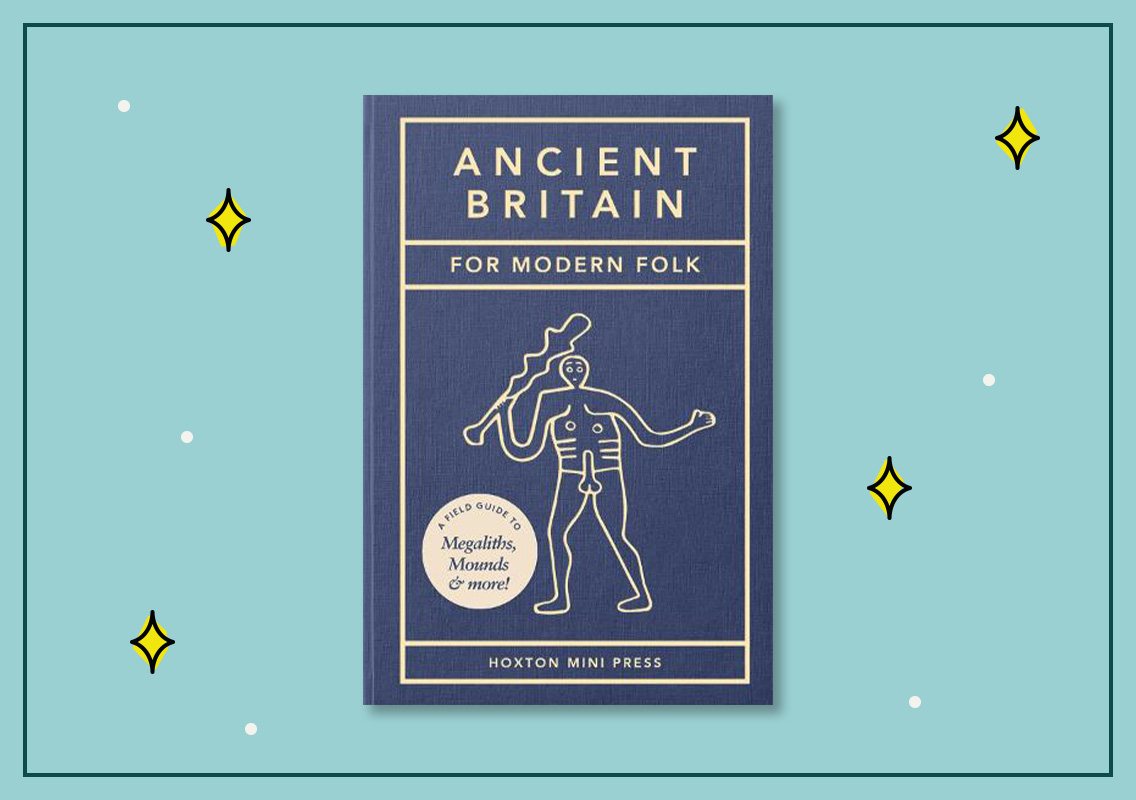
Ancient Britain for Modern Folk
Tom Howells
In this increasingly globalised, modernised, interconnected world, what can we learn from the first temples and burial sites built by our ancestors? This handbook brings some of the muddier, forgotten aspects of our shared history to life, offering a compelling insight into the origins of British cultural identity and a reminder of our deep-rooted connection to the earth.
Capitalism: A Global History
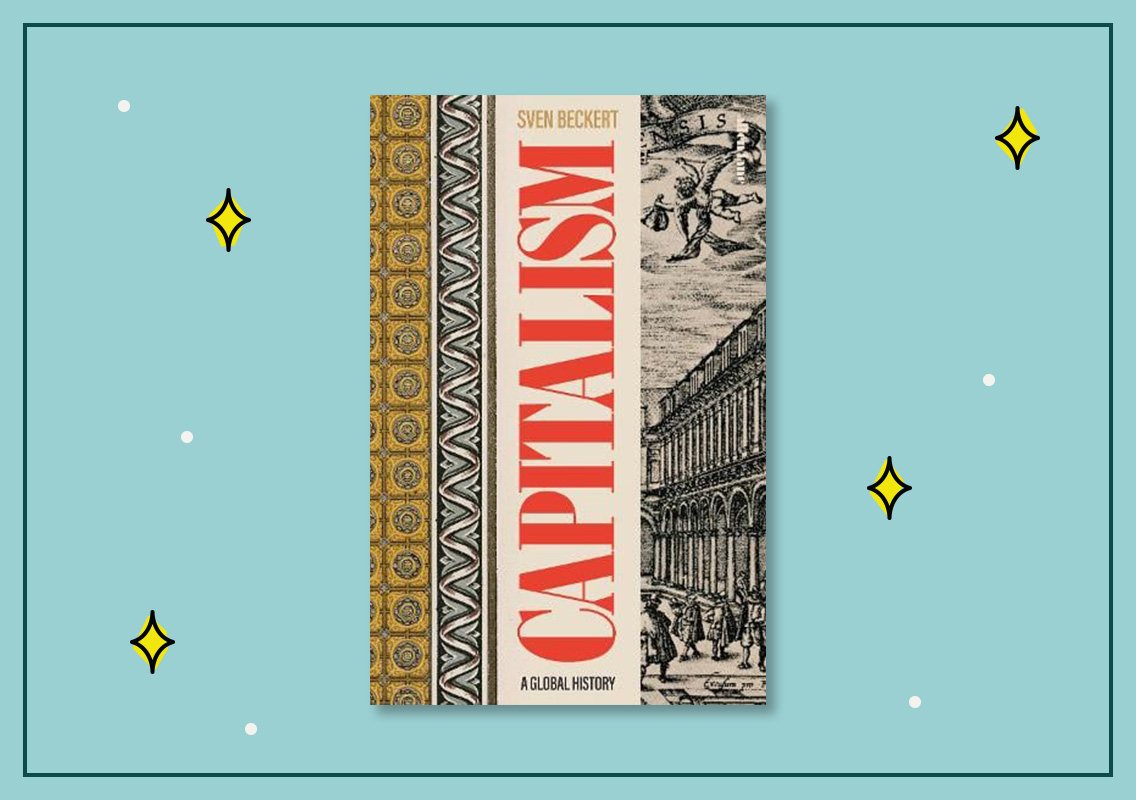
Capitalism: A Global History
Sven Beckert
Capitalism, argues Beckert, was born global. Emerging from merchant communities across Asia, Africa and Europe, capitalism’s radical recasting of economic life rooted itself only gradually. Then it burst onto the world scene, as European states and merchants built a powerful alliance that would propel them across the oceans. This epic drama corresponded at no point to an idealised dream of free markets. All along, state-backed institutions and imperial expansions shaped its dynamics. Capitalism decentres the European perspective, highlighting agency, resistance, innovation and ruthless coercion around the world through to the present with the rise of Asian economies, particularly China. Sven Beckert doesn’t merely add up capitalism’s debits and credits in this monumental book, but allows us to think afresh about the past to help us re-imagine the future.
More Gift Books for History Buffs
See More